


A stock scanner is one tool every day trader cannot do without. Initially, day traders manually review charts and compile a watch list of profitable trading setups. But in day trading, speed is everything as the markets move fast, opportunities appear and disappear within minutes, and manually checking hundreds or thousands of stocks simply isn't realistic. This is where stock scanners become one of the most powerful tools a day trader can use.
A stock scanner helps traders automatically identify stocks that meet specific criteria, such as high volume, sharp price movement, unusual activity, or breaking news, in real time. Instead of searching for trades, scanners bring potential opportunities directly to you, allowing you to focus on execution and risk management, and you get to choose the specific stocks to watch.
For beginners and experienced traders alike, learning how to use stock scanners effectively can significantly improve consistency, efficiency, and overall trading performance.
What Is a Stock Scanner?
A stock scanner is a trading tool that filters the stock market in real time based on predefined conditions. These conditions can include price, volume, percentage change, market capitalization, float size, volatility, and technical indicators.
When a stock meets your criteria, it appears on the scanner list immediately. This allows traders to react quickly to developing momentum, breakouts, or unusual activity without manually watching charts all day.
Unlike stock screeners, which usually provide static or delayed results, day-trading stock scanners operate in real time, making them far more useful for active traders and helping you filter the best stocks for a profitable trade.
Why Stock Scanners Matter in Day Trading
Since day traders rely heavily on volatility and liquidity; Stock scanners help traders filter and focus only on stocks that are actively moving and tradable.
Key benefits include:
- Speed advantage: Scanners detect price movements the moment they start
- Reduced workload: No need to manually scan charts
- Better focus: Traders concentrate only on high-probability setups
- Consistency: Removes emotional stock selection
- Opportunity filtering: Helps avoid slow or illiquid stocks
In short, stock scanners allow traders to spend less time searching and more time executing quality trades.
Are Stock Scanners Related to Stock Watchlist Websites?
Yes, stock scanners and free stock watchlist websites are related, but they serve different roles in a trader's workflow. Both tools help traders monitor markets, stay organized, save time, and make better decisions. The key difference is that stock scanners are used for discovery, automatically finding trade opportunities based on criteria like price, volume, momentum, or news, while watchlist websites are for monitoring stocks you've already selected.
In practice, many day traders scan the market first and then add promising stocks to a watchlist for closer tracking.
Read More: Best Free Stock Watchlist Websites (2026 Guide)
How Stock Scanners Work
Stock scanners use customizable filters to narrow thousands of stocks down to a manageable watchlist based on specific trading criteria. Traders adjust these filters depending on their strategy, risk tolerance, and time frame.
Common stock scanner filters and why they matter:
- Price: Ensures stocks fit your account size and risk management rules
- Volume: Confirms there is enough liquidity to enter and exit trades easily
- Relative Volume: Flags unusual trading activity compared to normal levels
- % Change: Helps identify strong momentum and trending stocks
- Float Size: Low-float stocks often move faster and more aggressively
- Market Cap: Helps set expectations for volatility and price behavior
- News: Acts as a catalyst for sudden price movements
When several of these filters align, stock scanners highlight high-potential trading opportunities that deserve immediate attention.
Types of Stock Scanners Used by Day Traders
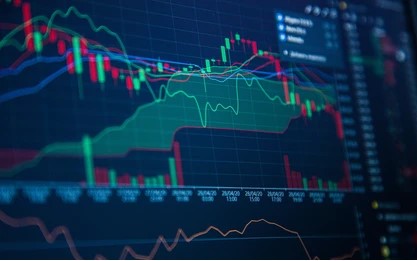
Different market conditions call for different scanning approaches. Most active traders don't rely on just one scanner; they use multiple scanners throughout the trading day, from pre-market preparation to intraday momentum hunting.
Below are the most commonly used stock scanners in day trading, along with how and when to use them effectively.
Premarket Stock Scanners
Premarket scanners are used before the market opens to identify stocks that may be in play for the trading session.
They typically highlight: Gap-ups and gap-downs, stocks reacting to earnings or overnight news, unusual premarket volume, and early momentum leaders.
Premarket scanners should be the first tool you check each morning. They help you build a focused watchlist and plan potential trades before volatility increases at the open.
Platforms like Scanz and Thinkorswim excel here, offering deep premarket data and volume filters.
Momentum Stock Scanners
Once the market opens and early volatility settles, momentum scanners take over. These scanners focus on stocks making strong intraday moves, based on percentage gain, volume surges, breakouts to new highs, and accelerating price action.
Momentum scanners help traders catch continuation moves, especially during strong trending sessions. TradingView's real-time alerts and percentage-gain filters are commonly used for this type of scanning.
Gap Scanners
Gap scanners identify stocks opening significantly higher or lower than the previous day's close. They spot stocks opening significantly higher or lower, signaling volatility, institutional interest, or breakouts/fades.
Volume is critical here. High-volume gaps are more likely to hold, while low-volume gaps often reverse shortly after the open. Most traders combine gap scanners with volume filters to avoid false signals.
Unusual Volume Scanners
Unusual volume scanners detect stocks trading far above their average volume, often before major price moves occur. This type of activity can signal institutional buying or selling, news leaks, early accumulation, or distribution.
Stocks with rising volume and expanding price ranges tend to offer cleaner intraday opportunities. Scanz is particularly strong in this area due to its tick-by-tick volume tracking.
News-Based Stock Scanners
News is one of the strongest catalysts for day trading momentum. News-driven scanners focus on stocks making notable premarket moves due to overnight events. They track stocks reacting to earnings reports, FDA approvals, analyst upgrades or downgrades, corporate announcements, or breaking headlines. These scanners are most effective between 7:00 and 9:30 AM EST, when overnight news creates premarket volatility.
Both Scanz and Thinkorswim integrate live news feeds directly into price scanners, allowing traders to link headlines with real-time price action.
RSI and MACD Combined Scanner
The RSI–MACD combined scanner uses two complementary indicators to filter for higher-quality momentum trades. RSI helps identify extreme conditions by signaling when a stock is overbought (above 70) or oversold (below 30), while MACD confirms trend direction and momentum strength. For faster signals, many traders use shorter MACD settings such as 5, 13, and 6, along with a minimum volume filter to ensure sufficient liquidity.
Platforms like TradingView and tools such as LuxAlgo make it easy to automate RSI-MACD scans and backtest their performance.
Learn more about Day Trading Scanners
How Day Traders Use Stock Scanners in Real Trading
Successful traders don't rely on alerts alone; they use scanners as part of a structured, repeatable workflow. Below is a typical day-trading scanner process, with each step serving a clear purpose.
- Premarket scanning: This is the first step of the trading day, where traders identify gap stocks, unusual volume, and news catalysts before the market opens
- Create a watchlist: From the premarket results, traders narrow down the strongest setups to a manageable list of stocks worth tracking closely
- Market open scanning: As the market opens, scanners are used to monitor real-time volume spikes and momentum shifts
- Chart confirmation: Traders then analyze charts to look for clean patterns, breakouts, pullbacks, or key technical levels
- Trade execution: Once all conditions align, trades are entered according to predefined rules
- Ongoing scanning: Throughout the trading session, scanners continue running to catch new opportunities
Read More: Best Chart Pattern Recognition Software for Stock Trading in 2026
Conclusion
Stock scanners are indispensable tools for day traders, offering real-time insights that help you spot high-probability setups faster than manual analysis. From premarket stock scanners that highlight gap-ups and news movers to momentum stock scanners and RSI/MACD combination scans for intraday trades, the right scanner gives you a speed advantage and better trade focus.
Platforms like Scanz, TradingView, and Thinkorswim cater to both beginners and advanced traders, providing everything from real-time alerts to customizable filters. While scanners won't guarantee profits, integrating them into a structured trading strategy, along with proper risk management, can increase efficiency, reduce emotional trading, and improve consistency.
Related Read: 6 Best AI Stock Trading Bots and Software (2026 Guide)
Frequently Asked Questions
What is the best stock scanner for day trading?
The best stock scanners for day trading depend on your strategy and budget. Scanz, TradingView, and Thinkorswim are widely used for real-time alerts, premarket and intraday momentum scans, and news integration.
How do I use a premarket stock scanner?
Premarket stock scanners identify gap-ups, gap-downs, unusual volume, and news movers before the market opens. Set filters for price change, volume, and keywords to focus on high-probability setups.
Can stock scanners help beginners trade better?
Yes. Beginners can use preset scans on platforms like TradingView or Thinkorswim to quickly find high-momentum stocks, unusual volume, and gap trades, reducing manual analysis and emotional mistakes.
What's the difference between a stock scanner and a stock screener?
A stock scanner filters stocks in real time for day trading opportunities, while a stock screener often provides delayed or static results for research purposes. Scanners are ideal for fast-moving intraday trades.
How do RSI and MACD scanners work for intraday trading?
RSI-MACD combined scanners identify overbought/oversold conditions (RSI) and confirm momentum trends (MACD). These scanners help spot high-probability entries for intraday momentum trades.
Do stock scanners guarantee profitable trades?
No. Scanners help identify opportunities faster, but trading success depends on strategy, risk management, and execution. They are tools, not guarantees.
Are there free stock scanners for day trading?
Yes. Platforms like TradingView and Thinkorswim offer free or low-cost scanners, while Scanz and premium TradingView plans provide more advanced real-time filtering and alerts.
Follow Us On Social Media